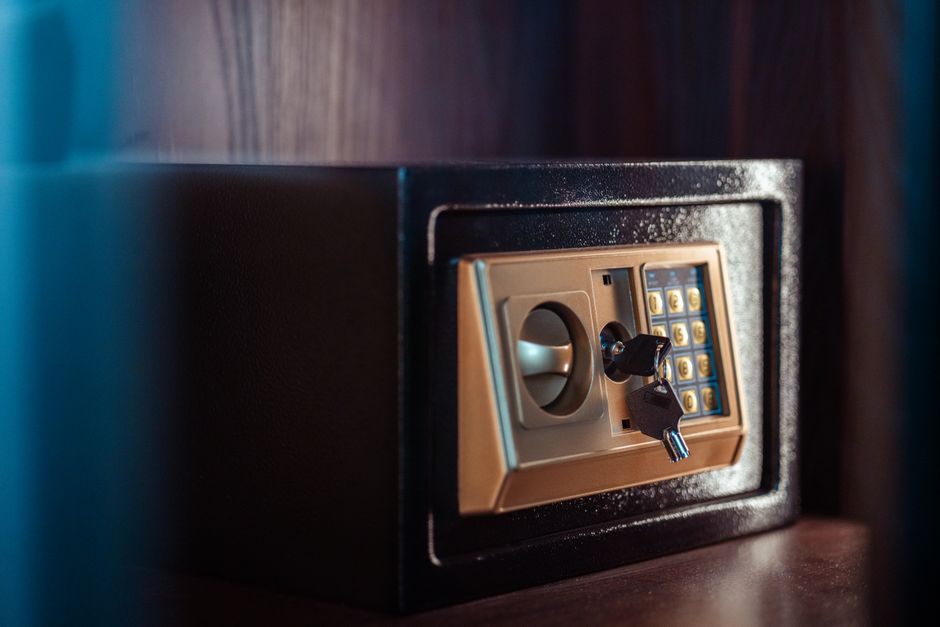
Figuring out how to move a safe safely comes down to three things: knowing exactly how much it weighs, using equipment built for that weight, and planning your path before you lift a finger. Safes are dense, top-heavy, and unforgiving of shortcuts. A mistake with a 300-pound floor safe does not just scratch a wall, it can crush a foot, split a stair tread, or tip onto the person carrying it. This guide walks through the parts of a safe move that people usually underestimate, from figuring out real weight to deciding when the job is bigger than a few friends and a hand truck can handle.
Most home and small office safes weigh between 150 and 600 pounds, but gun safes and floor-anchored security safes can exceed 1,000 pounds once contents are included. Check the manufacturer's plate or manual first, since guessing by size is unreliable: safes are dense steel and concrete, not hollow furniture.
If you cannot find a weight rating, assume it is heavier than it looks. A safe the size of a small dorm fridge can weigh more than a full-size refrigerator. This number determines everything else in your plan, including whether you rent a heavier-duty dolly, whether your floor can bear the point-load while it is being wheeled, and whether you need more than two people.
A safe move fails or succeeds based on equipment, not muscle. At minimum you want a rated appliance or safe-specific dolly (not a standard two-wheel hand truck), furniture straps or a shoulder dolly, moving blankets, a pry bar for leverage, and a stack of 1-inch plywood or hardboard sheets to roll over. If you would rather have a trained crew bring all of this, our packing services team can coordinate the equipment and labor for a specialty item like this alongside the rest of your move.
Renting this equipment for a day is far cheaper than replacing flooring or a hospital visit.
Before the safe moves an inch, walk the entire route empty-handed and measure every doorway, hallway turn, and staircase landing. Safes do not flex or compress like a couch, so if it does not fit through a doorway on paper, it will not fit in practice.
Pay close attention to 90-degree turns in hallways. A safe that clears a doorway straight-on can still get stuck trying to pivot in a narrow hall. Measure the diagonal, not just the width. For stairs, decide in advance whether you are going down forward or backward, and identify a spot roughly every 8 to 10 steps where the team can pause and reset their grip without holding the full weight indefinitely.
Stairs are where most safe-moving injuries happen. Use a stair-climbing dolly if the safe's weight and your budget allow it, since these use a rotating tri-wheel design to walk down steps under control rather than relying purely on human strength to lower it. If you are doing it by hand, more people with shorter carrying spans is safer than fewer people trying to cover more steps at once.
Moving a heavy safe alone is not recommended for anything over roughly 200 pounds, but if you have a lighter safe and no other option, a stair-climbing hand truck rated for the weight is the safest single-person tool. Tilt the safe back onto the dolly's frame, strap it securely at two points, and move in short, controlled distances rather than long pushes.
Even with the right equipment, working alone removes your ability to react if the safe shifts or a wheel catches on an obstacle. If the safe is bolted to the floor, anchored inside a closet, or heavier than your equipment's rated capacity, solo moving stops being a reasonable option regardless of how careful you are. This same equipment-versus-labor tradeoff comes up with any oversized item; if you have ever wondered whether movers disassemble furniture as part of a move, the short answer is that most crews will, and it often changes the calculation entirely.
Call professionals when the safe exceeds what your dolly and team can control, when it must go up or down more than one flight of stairs, or when the route includes tight turns that leave no margin for error. Professional crews bring rated equipment for safes well beyond what a rental store typically stocks, and they carry the experience to judge a floor's load limits before committing to a path.
Little Man Moves handles this kind of specialty item regularly through dedicated safe moving services, using the same tri-wheel dollies, rigging straps, and route-planning approach described above but with a trained crew and insured equipment. If your safe is a gun safe specifically, our guide on moving a gun safe covers the extra considerations around ammunition storage and anchoring hardware that general safes do not have. If your home has a layout that makes stairs or corners a real risk, it is worth getting a second opinion before attempting it yourself, and you can get a moving quote to see what professional help would cost.
Scuffed drywall and cracked tile are the most common casualties of a safe move, and both are preventable with a few minutes of prep. Lay moving blankets over any wall corners the dolly will pass, and tape down plywood runners across finished flooring rather than rolling directly over hardwood or tile.
On the safe itself, wrap any exposed dial, handle, or hinge with a blanket secured by tape, since these protrusions are what typically catch on doorframes and get bent or snapped off during a tight squeeze. If the safe has an electronic keypad, confirm it is powered down or in transport mode if the manufacturer specifies one, since some models lock permanently if jostled while active.
Once the safe is in its new spot, resist the urge to leave it sitting loose on the floor if it was originally anchored. An unanchored safe is both a security risk and a tipping hazard, especially in a home with kids or pets. Re-bolt it to the floor or wall studs using the original hardware, or replacement bolts rated for the same load if the originals were damaged in transit.
Give the area a final check for scuffed baseboards or loosened flooring from the move, and confirm the safe is level before locking in valuables. A safe that sits slightly off level can put uneven strain on the locking bolts over time.
Two people can move a safe up to around 300 to 400 pounds with the right equipment, such as a rated dolly and furniture straps, but anything heavier or any move involving stairs generally needs more hands or professional help.
A stair-climbing or tri-wheel safe dolly with locking straps works best, since standard two-wheel hand trucks are not rated for the concentrated weight and shifting center of gravity a safe has.
Check the manufacturer's manual for a transport or lockout mode, since some electronic locks can jam or drain the battery if jostled while still active during the move.
Use a stair-climbing dolly with rubber-wheeled treads and lay down protective runners on each step, moving in short controlled increments with a team member stationed below to guide the base.
For lighter safes under about 300 pounds with a simple route, renting equipment is often cheaper, but for heavier safes, tight stairwells, or anchored units, professional movers usually cost less than the risk of floor damage or injury.
Two people can move a safe up to around 300 to 400 pounds with the right equipment, such as a rated dolly and furniture straps, but anything heavier or any move involving stairs generally needs more hands or professional help.
A stair-climbing or tri-wheel safe dolly with locking straps works best, since standard two-wheel hand trucks are not rated for the concentrated weight and shifting center of gravity a safe has.
Check the manufacturer's manual for a transport or lockout mode, since some electronic locks can jam or drain the battery if jostled while still active during the move.
Use a stair-climbing dolly with rubber-wheeled treads and lay down protective runners on each step, moving in short controlled increments with a team member stationed below to guide the base.
For lighter safes under about 300 pounds with a simple route, renting equipment is often cheaper, but for heavier safes, tight stairwells, or anchored units, professional movers usually cost less than the risk of floor damage or injury.
.png)