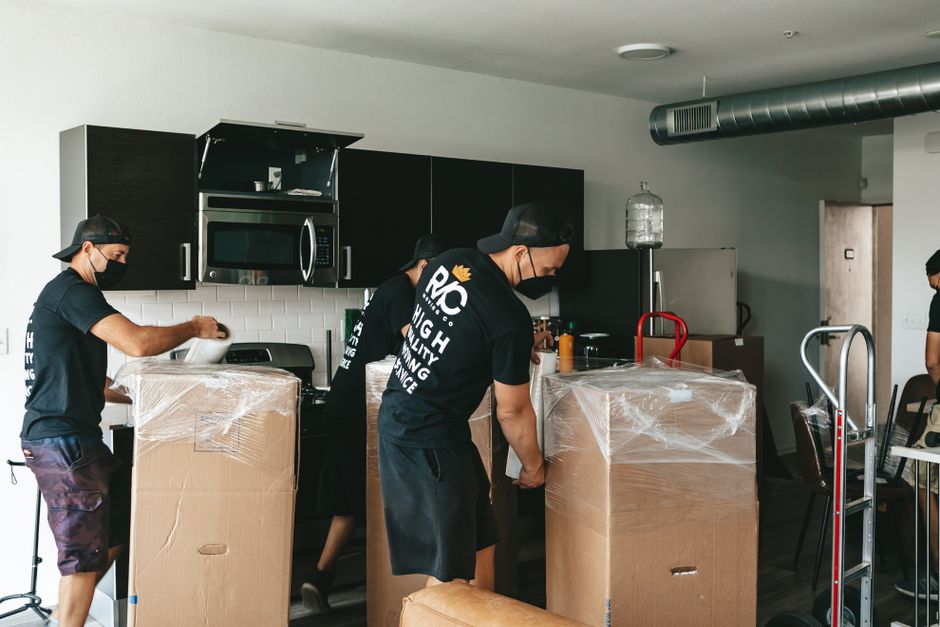


Knowing how to pack a living room for moving is essential to a smooth, damage-free relocation. The living room may not have as many breakables as the kitchen, but it comes with its own unique challenges — oversized furniture, tangled electronics, delicate artwork, and a surprising number of small decorative items that are easy to misplace. Without a clear plan, you can burn an entire day on one room and still arrive at your new home with missing remotes and scratched hardwood furniture.
The good news is that a living room can be packed efficiently and safely when you approach it in the right order. Start with what you use least and work toward the items you rely on every day. Give yourself at least a week to work through it at a comfortable pace. The sections below walk you through every step — from gathering supplies to protecting your largest pieces of furniture — so nothing is left to chance on moving day.
Before you move a single throw pillow or unplug a single cable, gather everything you need. A mid-project supply run is one of the most common reasons packing drags on longer than it should. Living rooms contain a wide variety of item types, which means your supply list needs to be equally varied.
Here is what to have ready before you start packing your living room:
Label every box on the top and at least two sides. Include the room name and a brief description of the contents. For fragile items, write "FRAGILE" and "THIS SIDE UP" in large, clear letters so your movers know exactly how to handle each box.
Electronics are among the most valuable items in a typical living room — and among the most vulnerable during a move. Televisions, gaming consoles, sound systems, and streaming devices all require careful handling to avoid damage from vibration, static, and physical impact.
The safest way to move a flat-screen TV is in its original box. If you kept it, use it — the original foam inserts are engineered to hold that exact model securely. If the original box is long gone, purchase a flat-screen TV moving box from a moving supply retailer. These come in adjustable sizes and include foam corner protectors.
Before boxing the TV, take a photo of the back panel and all cable connections. This takes 30 seconds and saves you significant frustration when setting everything back up. Remove all cables and label them individually, storing them in a resealable bag taped to the outside of the TV box. Wrap the screen in a layer of packing paper or a soft moving blanket — never bubble wrap directly against the screen, as the texture can leave marks on some finishes.
Always transport a flat-screen TV upright, not laid flat. The internal components are not designed to bear weight from above, and laying a TV flat dramatically increases the risk of cracking the screen during transit.
Gaming consoles, Blu-ray players, and streaming devices should be wrapped individually in packing paper or bubble wrap and packed in small to medium boxes with padding on all sides. Avoid mixing heavy items in the same box as electronics — a hard book shifting in transit can damage a console or cracked a disc drive. Speakers can be wrapped in moving blankets or bubble wrap and packed upright in medium boxes, with crumpled packing paper filling any gaps.
Living rooms tend to accumulate a wide range of decorative objects — picture frames, sculptures, vases, candles, and collectibles. These items vary wildly in fragility, so treat each one individually rather than grouping them carelessly.
Large framed artwork and mirrors deserve the same care as paintings. Wrap each piece in two or three layers of packing paper, then add a layer of bubble wrap and secure it with tape. For very large or valuable pieces, use purpose-built mirror or picture boxes, which are available in telescoping sizes to fit almost any frame.
Mark each wrapped piece clearly with "FRAGILE — DO NOT STACK" and store them vertically in the moving truck, leaning against a wall rather than laid flat. Never place heavy boxes on top of artwork.
Wrap every fragile decorative item individually in packing paper. For especially delicate pieces — thin ceramic figurines, glass vases, crystal objects — add a layer of bubble wrap over the packing paper. Place the heaviest, sturdiest items at the bottom of the box and stack upward toward lighter pieces. Fill every gap with crumpled packing paper so nothing shifts during transit. A box that rattles when you shake it is a box that will arrive at your new home with broken contents.
Books are deceptively heavy. Always pack them in small boxes — a medium or large box full of books can exceed safe lifting weight quickly and risks tearing at the bottom. Pack books flat or with spines facing down to reduce spine stress. DVDs, video games, and vinyl records can go in small or medium boxes, packed upright like files in a cabinet.
Furniture is where most living room moves go wrong. A sofa dragged through a doorway without preparation can gouge hardwood floors, strip door frames, or damage the upholstery itself. A glass coffee table moved without padding can shatter. The right approach protects both your furniture and your home.
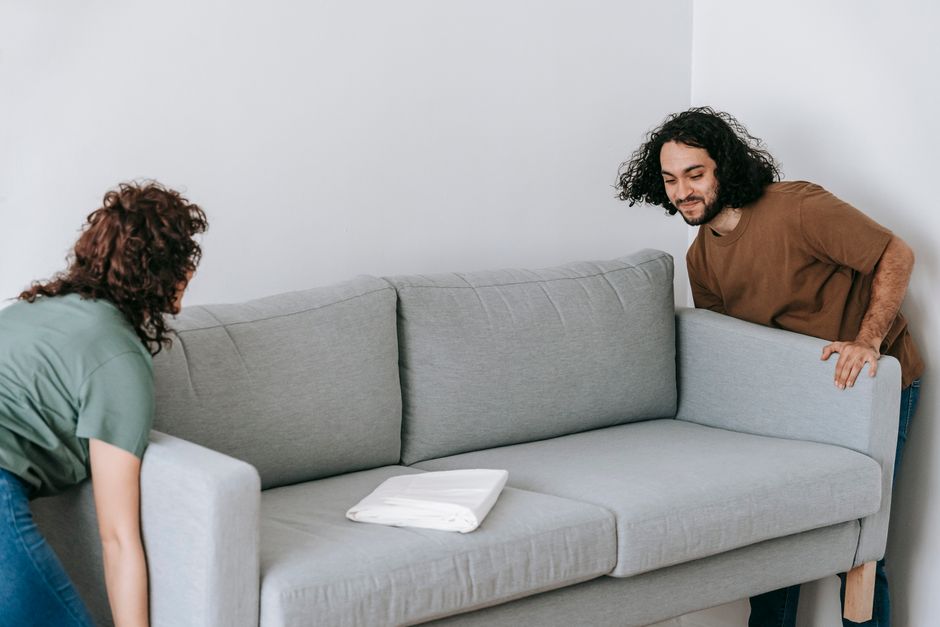
Most sofas can be moved in one piece, but sectionals should be separated into their individual pieces before moving. Wrap the upholstered sections in stretch wrap or furniture bags to protect the fabric from dirt, moisture, and snags. Pay particular attention to corners and armrests — these are the most vulnerable points during a move.
Before moving a sofa through a doorway, measure the sofa's height, width, and depth, then measure the doorway. If the numbers are tight, tilt the sofa at an angle — most sofas can be angled through a standard doorway with the right technique. If you are working with a particularly large or oddly shaped sectional, professional help is worth considering. Little Man Moves has the equipment and experience to handle large furniture pieces safely, and you can get a free moving quote to see how affordable professional help can be.
Remove all items from shelving units before attempting to move them. Shelving units with glass panels should have those panels removed, wrapped individually in packing paper and bubble wrap, and transported separately. Glass tabletops follow the same rule — remove them, wrap them, and stand them upright in the truck.
Protect wooden surfaces on tables and shelving units with furniture pads or moving blankets. Secure the pads with stretch wrap rather than tape, which can leave adhesive residue on finished wood surfaces. If furniture legs are removable, take them off and pack them separately in a labeled bag — this reduces the risk of legs snapping off under load stress.
Lamps require two-part packing. Remove the shade and the bulb before moving anything. Wrap the bulb in packing paper and place it in a small box with padding. Pack the lampshade in a large box on its own — never place anything inside or on top of a lampshade, as even soft pressure can dent or warp the shape. Wrap the base in packing paper or a moving blanket and pack it upright in a medium box with crumpled paper filling the gaps.
The sequence in which you pack your living room matters as much as the technique. Start with items you use least — decorative objects, books, extra throw blankets, and artwork — and work toward items you use daily, like the TV and your primary seating. This approach lets you live normally in the space until the last possible moment before moving day.
Create a dedicated "open first" box for your living room that contains the TV remotes, charging cables, a power strip, and anything else you will want within the first hour of arriving at your new home. Label this box clearly and load it last so it comes off the truck first.
If you want professional movers who handle packing and transport with care and efficiency, consider hourly moving services — a flexible option that lets you decide exactly how much help you need. Whether you want a full-service pack or just hands on moving day, having experienced movers on your side means your living room furniture, electronics, and décor arrive safely at your destination.
Once you believe your living room is fully packed, do a slow walkthrough before moving day. Check behind furniture, inside cabinets, underneath cushions, and behind curtains. It is common to find remote controls, charging cables, small decorative items, and even valuables tucked into spots that are easy to overlook during a busy pack.
Confirm that every box is sealed with at least two strips of tape across the seam and labeled on the top and sides. Furniture pads should be secured so they will not slip during loading. Anything fragile should be clearly marked. A five-minute walkthrough can prevent the frustration of arriving at your new home missing something important — or discovering a damaged piece that could have been avoided with an extra layer of bubble wrap.
A typical living room takes between two and six hours to pack, depending on its size and how much furniture, electronics, and décor it contains. Larger living rooms with extensive bookshelves, entertainment systems, or large collections of decorative items can take longer. Starting at least a few days before your move date — rather than packing everything the night before — makes the process far less stressful and allows time to source additional supplies if needed.
It depends on the furniture and what is in the drawers. For lighter items like remote controls or small accessories, leaving them in a sturdy dresser or console drawer is often fine over a short move. However, for fragile items, heavy objects, or long-distance moves, it is safer to empty drawers completely. Heavy drawers add substantial weight to furniture and can cause pieces to crack or collapse under the added stress of being lifted and carried.
The safest way to move a flat-screen TV is in its original manufacturer box with the original foam inserts. If you no longer have the original packaging, use a purpose-built flat-screen TV moving box with foam corner protectors. Always transport the TV upright — never laid flat — and protect the screen with packing paper or a soft moving blanket. Remove and label all cables before packing, and photograph the back panel connections to make setup easier at your new home.
.png)