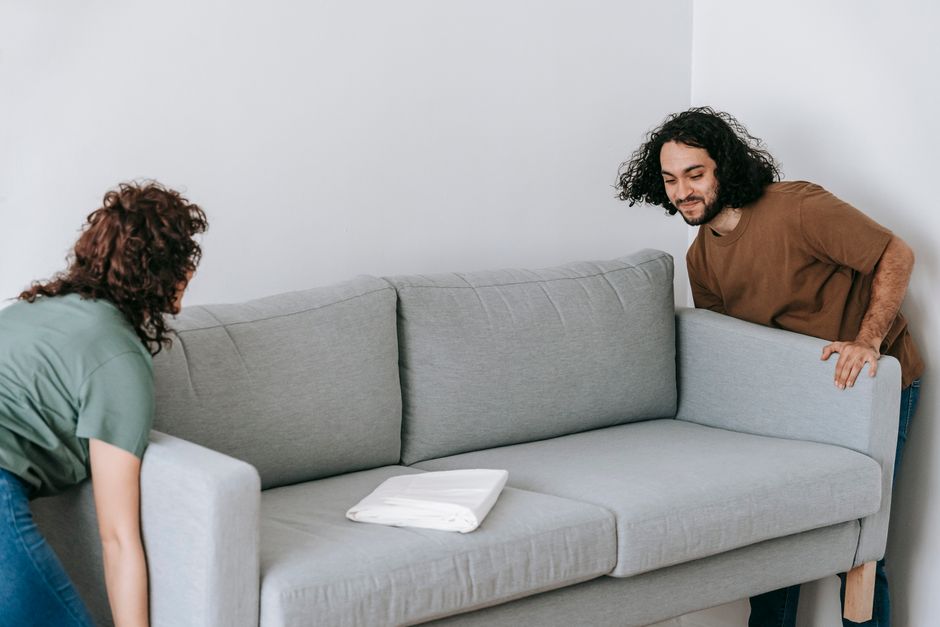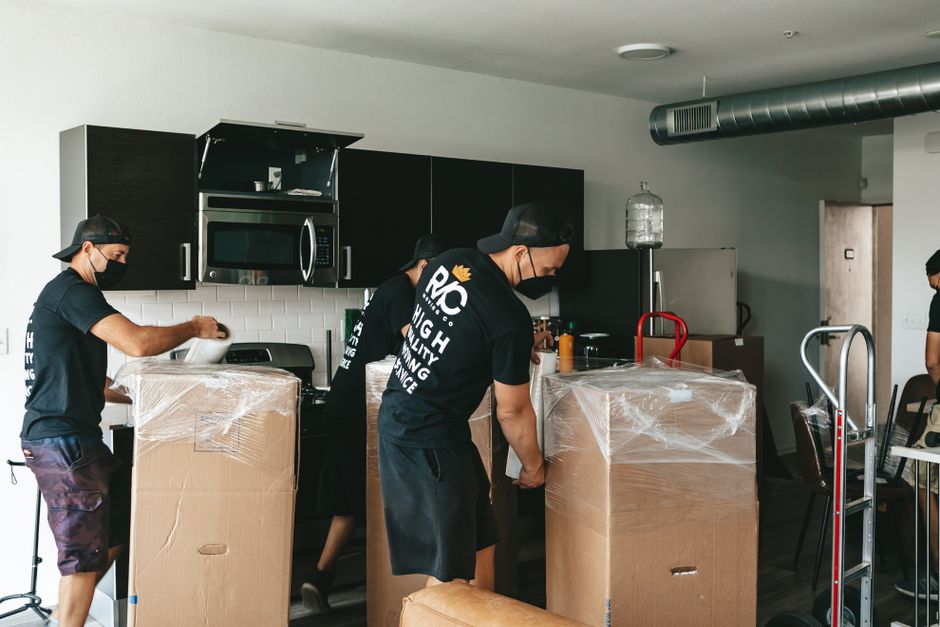


Knowing how to take apart a couch to move can save you time effort and frustration during relocation. Couches are often bulky heavy and awkward to maneuver through doorways hallways and staircases. Disassembling a couch correctly reduces the risk of damage to the furniture walls floors and even your back. While many homeowners handle this themselves others choose professional furniture movers from Little Man Moves to ensure everything is handled safely and efficiently. This guide walks you through the entire process from preparation to reassembly so you can move your couch with confidence.
Many couches are larger than standard door frames or stairwells. Attempting to force a couch through tight spaces can cause torn fabric broken frames or chipped walls. Taking a couch apart makes it easier to handle reduces weight and allows for better control during transport. It also protects internal components that may shift or break if the couch is moved improperly.
Before disassembling determine what type of couch you are dealing with. Some couches are modular while others have fixed frames. Reclining couches sectionals sleeper sofas and sofas with removable arms often require different steps. Understanding the structure helps prevent unnecessary damage and ensures you disassemble only what is needed.
Having the right tools ready makes the process smoother and safer. Common tools include screwdrivers Allen keys adjustable wrenches pliers and a utility knife. You may also need zip top bags tape labels furniture pads and plastic wrap. Keeping hardware organized prevents lost parts during reassembly.
Create enough space around the couch to work comfortably. Remove nearby furniture and rugs to prevent tripping. Lay down protective coverings on the floor. Adequate lighting helps you see fasteners and attachment points clearly which reduces mistakes.
Start by removing all seat back and throw cushions. These should be packed separately using plastic wrap or large bags. Removing cushions exposes the couch frame and reveals attachment points. This also reduces weight and makes the couch easier to handle.
Carefully turn the couch onto its side or back with help. Most fasteners are located underneath. Use furniture pads to protect fabric and flooring. Take your time to avoid bending legs or stressing joints.
Most couches have removable legs that are either screwed or bolted into the frame. Unscrew each leg carefully and place them in a labeled bag. Removing legs reduces height and makes doorways easier to navigate. Never drag a couch by its legs as this can damage the frame.
Some couches have removable arms secured with bolts or brackets hidden beneath fabric flaps. Look for zippers Velcro or stapled fabric panels. Gently pull back fabric to expose fasteners. Removing arms significantly reduces width and is often necessary for narrow spaces.
Sectional couches are designed to come apart. Locate the connectors that hold sections together. These are often metal brackets or hooks. Lift and separate sections carefully. Label each piece to make reassembly easier later.
Sleeper sofas contain heavy internal mechanisms. Remove the mattress first and secure it separately. If possible lock or secure the metal frame to prevent movement. Disassembling sleeper components requires extra caution due to weight and moving parts.
As you remove bolts screws and brackets place them in labeled bags. Tape bags to the corresponding couch section. Organization prevents frustration during reassembly and ensures no parts are lost during the move.
Once disassembled wrap exposed frames with furniture pads or blankets. Secure padding with stretch wrap. This protects wood and metal components from scratches dents and moisture during transport.
Determine the safest way to carry each piece before lifting. Use proper lifting techniques and communicate clearly with helpers. Smaller sections are easier to control and reduce injury risk. Avoid twisting or bending frames while carrying. If the couch is especially heavy homeowners often rely on experienced crews offering moving services in Washington Utah through Little Man Moves for added safety.
Place larger couch sections against the walls of the truck or vehicle. Secure them with straps to prevent shifting. Stack lighter components carefully and fill gaps with soft items. Proper loading protects both the couch and other belongings.
Do not force parts apart or cut fabric unnecessarily. Avoid removing staples unless required. Never rush the process or skip labeling hardware. These mistakes often lead to damage or difficult reassembly.
Once at your new home reverse the disassembly steps. Reattach arms legs and connectors carefully. Tighten hardware securely but avoid overtightening. Replace cushions last and inspect the couch for stability before use.
Some couches simply cannot be disassembled fully. In these cases careful maneuvering professional equipment or experienced movers may be required. Knowing when to stop prevents irreversible damage.
Always lift with your legs and keep your back straight. Wear gloves for grip and protection. Take breaks when needed. Furniture moving injuries are common and preventable with caution.
Large or high value couches may require professional handling. Movers have tools experience and techniques to disassemble and transport furniture safely. Homeowners looking for dependable Hurricane Utah moving professionals often turn to Little Man Moves to reduce injury risk and protect their furniture investment.
Disassembling a couch takes patience but it pays off. With preparation organization and care you can move your couch without damage and enjoy it comfortably in your new space.
Little Man Moves helps homeowners manage large and awkward furniture moves with care and precision. If you need assistance taking apart or transporting a couch you can reach Little Man Moves at littlemanmoves@gmail.com or call (435) 218-7870 to discuss your moving needs.
Do all couches need to be taken apart before moving
Not all couches need to be taken apart but many benefit from partial disassembly. Removing legs arms or separating sections can make moving easier and safer especially through tight doorways staircases or narrow hallways while reducing damage risk.
What tools are usually needed to take apart a couch
Most couches require basic tools such as screwdrivers Allen keys adjustable wrenches and pliers. Having zip bags labels and furniture pads is also important for keeping hardware organized and protecting parts during transport and reassembly.
Can taking apart a couch damage it
A couch can be damaged if disassembly is rushed or done incorrectly. Forcing parts cutting fabric or losing hardware can weaken the frame. Following proper steps and handling components gently helps prevent damage and preserves the couch structure.
How long does it take to disassemble a couch for moving
Disassembling a couch typically takes between thirty minutes and two hours depending on the type and complexity. Modular and sectional couches are usually faster while sleeper sofas and couches with hidden fasteners take more time.
Is it better to hire movers to take apart a couch
Hiring movers can be a good option for large heavy or valuable couches. Movers have experience tools and techniques to disassemble and transport furniture safely which reduces injury risk and ensures proper handling during the move.