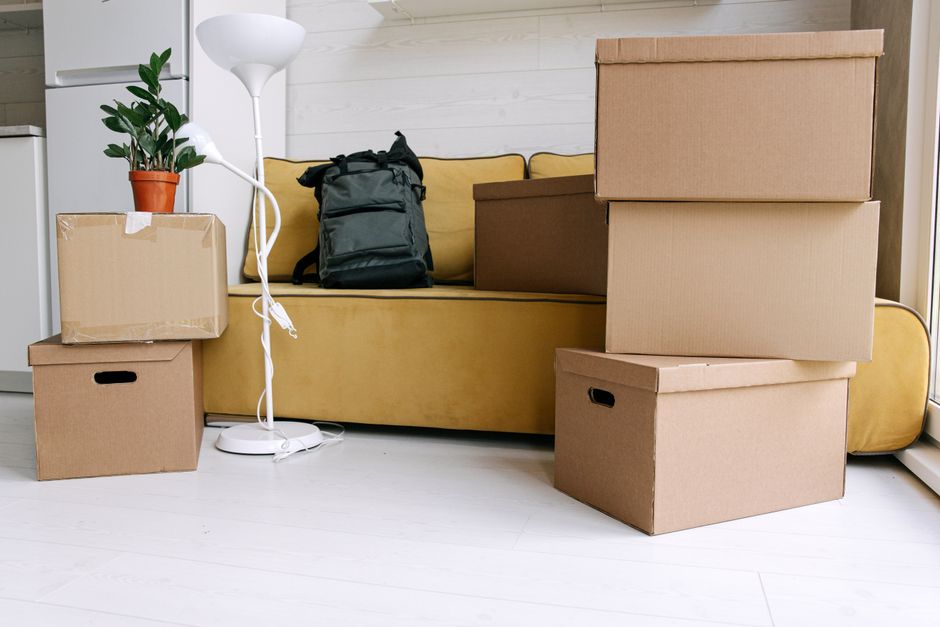
Knowing how to pack a reading room for moving is something most people genuinely underestimate — until they are standing in front of wall-to-wall bookshelves, an oversized armchair that barely fits through the door, a floor lamp that has tipped over twice just from being bumped, and a collection of carefully arranged decorative objects, framed prints, and personal mementos that took years to curate. The reading room is one of the most deceptively labor-intensive spaces in any home to pack. It looks calm and organized on the surface, and it punishes anyone who treats it that way.
Unlike a bedroom or a utility room, the reading room combines several distinct packing challenges in one space: heavy, load-bearing boxes of books that will strain your back and blow out cardboard if overfilled; fragile décor and artwork that requires individual wrapping; delicate lighting that cannot be tossed into a bag; and large upholstered furniture that is difficult to protect from scuffs and compression during a move. That combination — heavy books, fragile objects, awkward furniture, and irreplaceable personal items — makes the reading room one of the spaces that rewards the most methodical, category-by-category approach. This guide walks you through every step of packing a reading room for a move, from decluttering your shelves and sourcing the right materials to wrapping furniture, protecting artwork, and loading everything onto the truck in the right order.
The reading room has a way of accumulating things over years — books purchased on impulse and never opened, duplicates from a move where two households merged, paperbacks read once and kept out of habit, and decorative objects that no longer fit the aesthetic but have not quite made it to a donation box. Before you pull out a single piece of packing tape or unfold a single box, go through every shelf, surface, and corner and make honest decisions about what is genuinely worth moving.
Sort everything into four categories before packing begins:
Be honest about your books during this phase in particular. Books are among the heaviest items per cubic foot of any household category, and every volume you choose not to move is real weight off your back — literally — and real space freed in the truck. A reading room that goes into a move with thirty fewer books that were never going to be opened again is a reading room that packs faster, loads more safely, and unpacks with more intention.
The reading room requires a specific set of packing supplies that differ meaningfully from what you would use for a kitchen or a bedroom. Getting the right materials before you start will save you from mid-pack supply runs and protect your belongings far better than improvised substitutes.
This is not optional: books must go into small boxes. A standard large moving box filled entirely with books can exceed sixty or seventy pounds, which is dangerous to carry, hard on the truck floor, and a serious risk for box failure mid-carry. Small moving boxes — sometimes called "book boxes" or "letter-sized boxes" — are the correct format. Fill them no more than two-thirds full and supplement with lighter items like bookmarks, reading accessories, or soft objects to fill space without adding dangerous weight.
Decorative objects, bookends, framed photographs, small sculptures, and any ceramic or glass items that live in the reading room need individual wrapping. Stock up on unprinted packing paper for general wrapping and bubble wrap for anything with protruding elements, glass surfaces, or genuine fragility. Do not use newspaper — the ink transfers and can be extremely difficult to clean from fabric and light-colored surfaces.
If your reading room has framed artwork, prints, or mirrors, flat art boxes or mirror boxes are the appropriate containers. These are double-walled, sized for flat items, and designed to prevent the corner and surface damage that is almost guaranteed when framed pieces are wrapped in moving blankets and stacked loosely in a truck.
Your armchair, reading chaise, ottoman, and any upholstered pieces need full coverage in moving blankets secured with packing tape or stretch wrap. The fabric on upholstered reading furniture is especially vulnerable to snags, compression marks, and dirt transfer during a move. Wrap completely, secure at the bottom, and do not leave any fabric exposed.
Books seem simple to pack, and they are — but only if you follow a few rules that most people ignore until they are dealing with a collapsed box or a back injury on moving day.
The safest ways to pack books are either flat (stacked horizontally, the way they sit on a table) or spine-down (standing upright with the spine at the bottom of the box). Packing books spine-out — the way they sit on a shelf — puts all stress on the binding during transit and is the most common cause of spine damage during a move. For your most valuable or fragile volumes, flat packing with a layer of packing paper between each book is the most protective approach.
Within each box, place your heaviest, most structurally solid books — large hardcovers, art books, reference volumes — on the bottom of the box. Lighter paperbacks and smaller hardcovers go on top. This keeps the box stable, protects smaller books from compression, and keeps the center of gravity low enough for safe carrying.
Loose movement inside a box during transit is one of the primary causes of damage to books and the objects packed alongside them. Fill any gaps with crumpled packing paper until the box contents are snug but not compressed. Shake the box gently — if you hear or feel significant movement, add more fill material before sealing.
Reading room boxes deserve detailed labels. Note the shelf or section the books came from if you want to reassemble your library in a particular order at the new home. Mark any box that is heavier than usual as "heavy" in large letters on the top and at least one side. Movers — professional or otherwise — will thank you, and the box is far less likely to be stacked under something crushing.
The decorative layer of a reading room — the objects that make it feel personal and curated — requires the most time-per-item of anything in the space. Do not rush this phase.
Bookends are almost always heavier than they look and frequently made of cast iron, marble, stone, or ceramic. Wrap each piece individually in at least two layers of packing paper, then in bubble wrap if they have decorative surfaces that could chip or scratch. Pack pairs together in the same box but separated by a layer of padding so they cannot knock into each other in transit.
Remove frames from the wall well before packing day. Lay each piece flat on a clean surface and apply painter's tape in an X pattern across the glass — not to hold it in place, but to contain it if it cracks during transit. Wrap each framed piece in packing paper, then in a layer of bubble wrap, and pack vertically (on edge) inside a flat box with padding on all sides. Never lay framed glass flat under other items.
Small sculptures, figurines, vintage objects, and decorative accessories from the reading room shelves each need their own wrap. Use the "burrito" method: place the object in the center of a sheet of packing paper, fold in the sides, and roll forward until fully enclosed. For anything with protruding elements — a figurine's arm, a handle, a finial — add a secondary layer of bubble wrap around the vulnerable point before the outer paper wrap. Place wrapped objects in a box with at least two inches of crumpled paper on the bottom, and do not stack heavy items on top of fragile ones.
Bookmarks, reading glasses, e-readers, tablet stands, book lights, and similar small accessories can be grouped together in a single clearly labeled box or bag. E-readers and tablets should be wrapped individually in a soft cloth or bubble wrap sleeve and packed away from heavy items. If you have original boxes for any electronic reading devices, this is the moment to use them.
Reading room furniture tends toward the oversized and the upholstered — armchairs with wide arms, chaises with curved backs, ottomans with wood-framed bases, floor-to-ceiling bookshelves, and reading tables that are heavier than they appear. Each category requires a slightly different approach.
Empty the shelves completely before attempting to move any bookcase. A bookcase that is even partially loaded during a carry is a serious injury risk and a near-certain guarantee of structural damage to the shelving unit itself. Once empty, check whether the bookcase is freestanding or wall-anchored — remove any wall anchors and keep the hardware with the unit. If the shelves are adjustable and removable, take them out and wrap them separately in moving blankets or packing paper so they do not rattle against the shelf frame during transit. Disassemble the unit if it has cam-lock or bolt connections, photograph each stage before disassembly, and keep all hardware in a labeled zip-lock bag taped to the largest piece.
Cover upholstered seating completely in moving blankets secured with stretch wrap or packing tape. Pay particular attention to the arms, which take the most contact damage during carries through doorways and stairwells. Remove any removable cushions and pack them separately in a large trash bag or mattress bag to keep them clean. If your armchair has wooden legs that unscrew, remove them and wrap them individually — this also reduces the chair's floor-level profile and makes it easier to navigate tight corners.
Disassemble floor lamps into their component sections — base, pole, and shade — for transport. Wrap the shade in two to three layers of packing paper and place it in a box slightly larger than the shade itself, with crumpled paper filling all gaps. The pole sections can be wrapped in moving blankets and taped along their length. Remove bulbs before any disassembly and wrap bulbs individually in paper or bubble wrap. Never pack a lamp shade under anything heavy — shades are extremely fragile and almost always the first thing damaged when treated as an afterthought.
The reading room's contents need to be loaded strategically to protect both the books — which are heavy and dense — and the fragile items, which cannot survive being buried under weight.
Load bookshelves and large furniture first, against the walls of the truck, where they serve as stable anchors. Book boxes go on the floor of the truck, stacked no more than two or three boxes high — they are heavy enough that a stack that falls creates a serious risk for everything around it. Framed artwork and fragile boxes travel vertically, wedged securely between furniture pieces or blanket-padded walls where they cannot tip. Lamp shades and soft-packed boxes ride on top, never underneath. Use moving blankets between every piece of furniture to prevent surface contact and abrasion during transit.
If you are working with professional movers, flag your book boxes specifically — experienced movers will appreciate knowing which boxes require a two-person carry or a different stacking strategy. The reading room, packed with care and loaded with intention, will arrive at your new home in the same condition it left the old one.
Small moving boxes — often called book boxes or letter-sized boxes — are the correct choice for packing books. Large boxes filled with books can exceed safe carrying weight and risk box failure during a move. Fill small boxes no more than two-thirds full and supplement with lighter items or packing paper to fill remaining space without adding dangerous weight.
No. Packing books spine-out, the way they sit on a shelf, puts stress on the binding during transit and is the most common cause of spine damage when moving. The safest methods are packing books flat (stacked horizontally) or spine-down (standing upright with the spine at the bottom of the box). For valuable or fragile editions, flat packing with a layer of packing paper between each book offers the most protection.
Apply painter's tape in an X across the glass of each framed piece before packing — this won't hold cracked glass in place but will contain it if it breaks in transit. Wrap each piece in packing paper then bubble wrap, and transport them vertically (on edge) inside flat or mirror boxes with padding on all sides. Never lay framed glass flat under other items during a move.
Disassemble the floor lamp into its component parts — base, pole sections, and shade — before packing. Remove bulbs and wrap them individually. Wrap the shade in two to three layers of packing paper and place it in a box slightly larger than the shade with crumpled paper filling all gaps. Wrap pole sections in moving blankets. Load lamp shades on top of other items in the truck, never underneath, as they are extremely fragile under any weight.
No. Bookshelves should always be fully emptied before being moved. A bookcase that is even partially loaded during a carry is a serious injury risk and will almost certainly cause structural damage to the shelving unit — shelves are designed to hold weight in place, not to withstand the lateral and vertical forces of being carried, tilted, and maneuvered through doorways while loaded. Empty the shelves completely, remove adjustable shelves separately, and pack the books into proper small boxes before attempting to move any bookcase.
Small moving boxes — often called book boxes or letter-sized boxes — are the correct choice for packing books. Large boxes filled with books can exceed safe carrying weight and risk box failure during a move. Fill small boxes no more than two-thirds full and supplement with lighter items or packing paper to fill remaining space without adding dangerous weight.
No. Packing books spine-out, the way they sit on a shelf, puts stress on the binding during transit and is the most common cause of spine damage when moving. The safest methods are packing books flat (stacked horizontally) or spine-down (standing upright with the spine at the bottom of the box). For valuable or fragile editions, flat packing with a layer of packing paper between each book offers the most protection.
Apply painter's tape in an X across the glass of each framed piece before packing — this won't hold cracked glass in place but will contain it if it breaks in transit. Wrap each piece in packing paper then bubble wrap, and transport them vertically (on edge) inside flat or mirror boxes with padding on all sides. Never lay framed glass flat under other items during a move.
Disassemble the floor lamp into its component parts — base, pole sections, and shade — before packing. Remove bulbs and wrap them individually. Wrap the shade in two to three layers of packing paper and place it in a box slightly larger than the shade with crumpled paper filling all gaps. Wrap pole sections in moving blankets. Load lamp shades on top of other items in the truck, never underneath, as they are extremely fragile under any weight.
No. Bookshelves should always be fully emptied before being moved. A bookcase that is even partially loaded during a carry is a serious injury risk and will almost certainly cause structural damage to the shelving unit — shelves are designed to hold weight in place, not to withstand the lateral and vertical forces of being carried, tilted, and maneuvered through doorways while loaded. Empty the shelves completely, remove adjustable shelves separately, and pack the books into proper small boxes before attempting to move any bookcase.
.png)