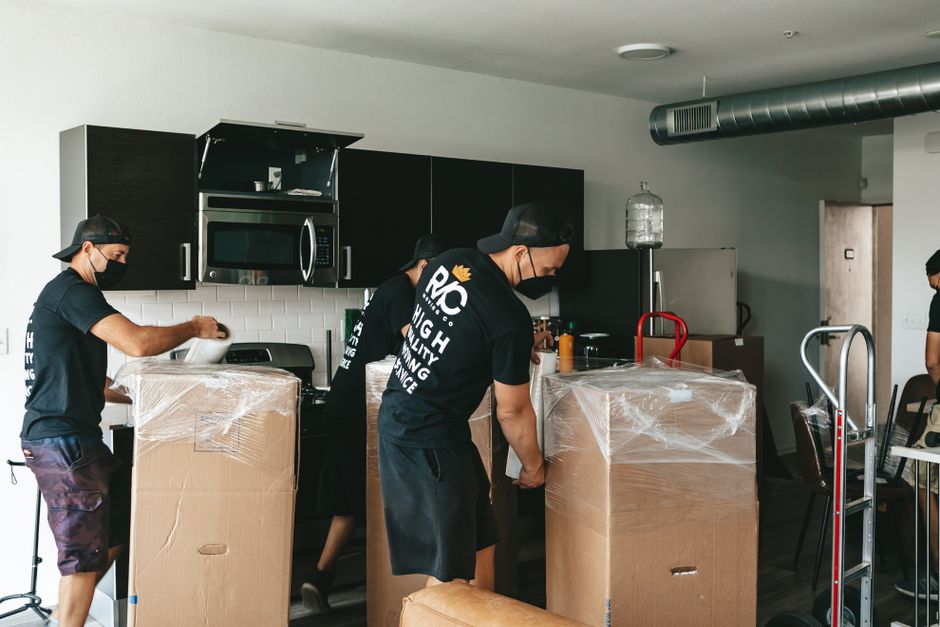


When you are decluttering or preparing for a move, it is easy to wonder where to throw away furniture without causing a mess or breaking local rules. Sofas, beds, and dressers are bulky, heavy, and usually not accepted in regular household trash or small dumpsters. When situations like this come up during a relocation, working with experienced movers like Little Man Moves can make the process far less stressful.
Finding the right place for old pieces is about more than just convenience. The right choice can save you money, avoid fines, and keep usable items out of landfills. With a simple plan, you can clear space for your next chapter while keeping the process safe and organized.
Before you decide exactly where to throw away furniture, take an honest look at its condition. If a piece is sturdy, clean, and free of major damage, it might be better suited for donation, resale, or passing along to a friend or family member instead of the dump.
On the other hand, furniture that is broken, unstable, moldy, or infested with pests should not be reused. In that case, your focus shifts to safe disposal through bulk trash, landfills, transfer stations, or professional hauling. Knowing which category each item belongs in makes the next decisions much easier.
One of the simplest answers to where to throw away furniture is your city or county bulk pickup service, if you have one. Many communities offer scheduled days when residents can leave large items like sofas, mattresses, and dressers at the curb for removal.
You usually need to follow specific rules about how many pieces are allowed, where to place them, and which materials are accepted. Some areas require a phone call in advance, while others follow a fixed monthly schedule. Checking these details ahead of time prevents surprises on pickup day.
When bulk pickup is not an option or your load is especially large, public landfills and transfer stations become the main place where you can throw away furniture. These facilities are designed to handle bulky household items that are at the end of their usable life.
Expect to pay a disposal fee, often based on weight or vehicle type. It is wise to load your vehicle safely and tie items down before driving. If you have to make several trips, fees can add up quickly, sometimes reaching 1800 dollars or more for an entire household clear out.
Depending on your area, part of figuring out where to throw away furniture may include separating materials for recycling. Some centers accept metal bed frames, wooden items, or certain plastics if they meet their guidelines. Others focus on mattresses, electronics, or scrap metal.
Before hauling everything across town, call ahead or check what your local facilities accept. You may find that metal frames and certain components can be recycled, while heavily padded or mixed material items still need to go to landfill. A bit of sorting can reduce waste and fees.
Even if your first thought is where to throw away furniture, it is worth asking whether any of your items could be reused instead. Donation centers and reuse stores often accept clean, structurally sound pieces that meet their standards for safety and appearance.
Many organizations offer pickup for larger items, especially if you have several pieces at once. This can be a convenient middle ground between throwing everything away and trying to sell each piece individually. Just remember that they will decline damaged or heavily stained items, so have a backup plan.
If you have limited time, no suitable vehicle, or heavy items in awkward spots, junk removal companies are another answer to where to throw away furniture. These services send a crew to your home, carry items out, load them, and haul them away for a fee.
This option is especially helpful when clearing full rooms, garages, or storage units. The cost is usually higher than doing it yourself, but the tradeoff is saved time and reduced physical strain. For some people, especially around busy moving dates, that tradeoff is worth it.
When you live in an apartment building, condo, or HOA community, rules around where to throw away furniture can be strict. Leaving a couch in a hallway, next to a dumpster, or in a parking area without permission can result in fines or removal charges.
Before you put large items outside, check your lease or community guidelines. Ask management where bulk items should go, whether there are designated days, and if they work with any hauling services. If you are dealing with tight hallways, stairs, or strict disposal rules, professional apartment movers can help move heavy furniture safely and in compliance with building policies.
Once you know where to throw away furniture, preparing it properly makes moving and disposal safer. Removing doors from cabinets, taking legs off tables, and separating sectional pieces can help furniture fit through doorways and into vehicles with less risk of damage or injury.
Cover sharp edges and broken parts with tape or padding, and keep pathways clear from the item to the exit. If you are using curbside pickup, wait until the proper day to move items outside so they do not block sidewalks or attract unwanted attention for several days in a row.
Taking a few extra minutes to organize tools and helpers can reduce the risk of accidents. Even when you are just taking items to the curb or loading them for landfill, treating the process like a mini move helps everything go more smoothly and safely.
Many people start thinking about where to throw away furniture when they are preparing for a move. You may decide not to take older pieces to your new home, especially if they do not fit, match, or function well anymore. In that case, timing becomes very important.
Try to schedule disposal before the final rush of moving day, leaving room for cleaning and walk throughs. If you are coordinating a business relocation or clearing out workspaces, professional office moving services can help manage desks, storage units, and bulky commercial furniture efficiently.
Clearing out old, worn furniture is often the first step toward creating a home or workspace that matches the life you want now. Knowing where to throw away furniture, how to prepare it, and which pieces deserve a second life can turn a stressful chore into a thoughtful reset.
If your next move around St. George includes tough decisions about what to keep, donate, or discard, Little Man Moves can support the physical side of the job. To talk through practical options for moving and clearing furniture, reach us at littlemanmoves@gmail.com or call (435) 218-7870.