
.png)

If you are getting ready to move to Baltimore, you are heading toward a historic waterfront city that perfectly blends mid-Atlantic grit with undeniable coastal charm. Baltimore is currently home to approximately 570,000 residents, serving as the largest city in Maryland and a vital hub for the entire Chesapeake Bay region. The city is defined by its iconic brick rowhouses, cobblestone streets in Fells Point, and a deep-rooted maritime heritage that influences everything from the local food to the industrial skyline. The climate type is humid subtropical, which means you will experience four distinct seasons characterized by lush, green springs and warm, humid summers.
Baltimore’s claim to fame is its title as "Charm City," but it is also known as the "Monumental City" due to its wealth of historic landmarks. It is the birthplace of the American National Anthem and home to the world-renowned Inner Harbor. From the quiet, leafy streets of Roland Park to the energetic art galleries of Station North, the city offers a patchwork of neighborhoods that feel like small towns.
When you move to Baltimore, you join a community that values authenticity and hard work. Whether you are drawn by the prestigious medical institutions, the thriving port, or the famous blue crab feasts, the city provides a grounded atmosphere. Preparing for the urban layout and the seasonal humidity is the first step in making your transition a success. If you are relocating from out of state, such as from the mountain west, you might find that professional ivins ut movers can help bridge the gap between your old home and your new East Coast life. Baltimore is a place where history is lived every day on every corner.
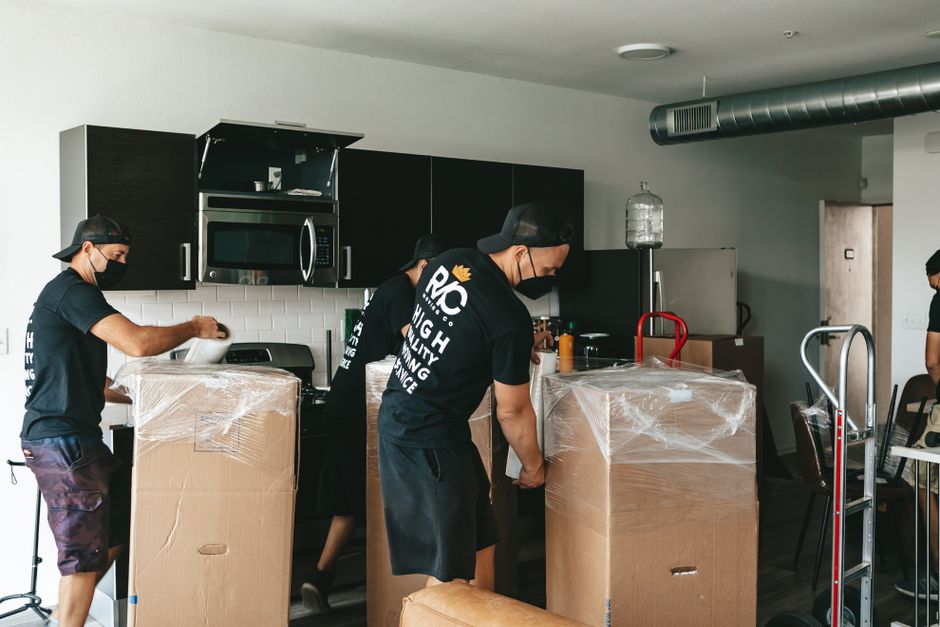
Relocating to an urban environment with narrow streets and historic architecture requires a team that understands the importance of precision. At Little Man Moves, we specialize in helping people move to Baltimore by providing customized packing and loading services. We focus on taking the physical burden off your shoulders so you can focus on exploring your new neighborhood. Whether you are heading to a waterfront condo or a classic rowhouse, our team ensures your belongings arrive safely and on time. Let us handle the heavy lifting while you prepare for your new life in Charm City. Reach out to us at littlemanmoves@gmail.com to see how we can make your transition smooth and stress-free.
The weather is a major factor to consider when you move to Baltimore. Because the city is situated near the Chesapeake Bay, the water helps regulate the temperature, but it also contributes to significant humidity during the summer months. July and August often see temperatures in the high 80s or low 90s, with moisture levels that make outdoor activity feel more taxing. Winters are generally moderate compared to the Northeast, but the city still sees occasional snow and ice, with average January temperatures hovering around the freezing mark.
Spring and autumn are arguably the most beautiful times to settle in. Fall brings crisp air and vibrant colors to the city's many parks, while spring is marked by blooming cherry blossoms and dogwoods. If you are looking for the best time to move to Baltimore, aim for late April through early June or the month of October. During these windows, you avoid the intense summer heatwaves and the risk of winter storms that can make navigating narrow city streets difficult for a moving truck.
Before you move to Baltimore, it is vital to look at the financial reality. Compared to other major hubs on the I-95 corridor like Washington D.C. or Philadelphia, Baltimore remains remarkably affordable. The median home value in Baltimore is approximately $220,000, which is significantly lower than the national average. This affordability is a major draw for young professionals and families who want urban amenities without the astronomical price tag found in neighboring cities.
Renters looking to move to Baltimore should expect to pay around $1,500 to $1,800 for a standard two-bedroom apartment in popular neighborhoods like Canton or Federal Hill. Because navigating multi-story buildings and tight stairwells is a challenge, many residents hire specialized apartment movers to ensure a damage-free move-in day. When you plan your budget to move to Baltimore, remember to factor in the cost of city services and the potential for permit-only street parking. Despite these urban costs, your dollar generally goes much further here than in almost any other major city in the Mid-Atlantic.
The economy is a primary driver for many who move to Baltimore. The city has successfully transitioned from its manufacturing roots to become a powerhouse in healthcare, education, and technology. The top three employment sectors currently are Healthcare/Social Assistance, Educational Services, and Professional/Scientific Services. Baltimore is home to the world-renowned Johns Hopkins University and Health System, which serves as the city’s largest employer and a global leader in medical research.
The Port of Baltimore also remains a massive employer, acting as one of the busiest shipping hubs on the East Coast for automotive and roll-on/roll-off cargo. Major local employers also include Under Armour, T. Rowe Price, and various federal agencies located just outside the city. Commute trends show that while many people drive, the "MARC" train is a popular option for those who work in D.C. but choose to live in Baltimore for the lower cost of living. The job market is stable and diverse, providing plenty of room for those who move to Baltimore to find career stability in cybersecurity, bioscience, or hospitality.
Transport is a key consideration after you move to Baltimore. The city is famously easy to navigate once you understand the grid, though traffic during rush hour can be heavy on the I-95 and I-695 "Beltway." The primary mode of transport from Point A to Point B is by car, but the city offers several public options. The Charm City Circulator is a free bus service that connects major neighborhoods, and the Light Rail Link provides access from the northern suburbs down to the airport.
Walkability scores are highest in waterfront neighborhoods like Fells Point and Harbor East. For those who move to Baltimore and need to travel, Baltimore/Washington International Thurgood Marshall Airport (BWI) is just south of the city and serves as a major hub for domestic and international flights. Amtrak and Greyhound services are also centered at Penn Station, making it easy to travel up and down the East Coast. If you do keep a car, be aware that many neighborhoods require a residential parking permit, so make sure to update your vehicle registration quickly after you move to Baltimore.
Visit the "Best Backyard in Baltimore" to walk around the historic Pagoda or enjoy the public swimming pool. It is a premier spot for outdoor recreation like tennis and youth sports. The park offers a peaceful escape with great views of the city skyline.
Explore one of the most famous local landmarks located right in the Inner Harbor. You can see thousands of species, including sharks and dolphins, in massive underwater galleries. It is an essential stop for everyone who decides to move to Baltimore and wants to see the best of the city.
Enjoy hands-on exhibits and a giant IMAX theater that make learning fun for children. This museum provides many family-friendly activities that explore space, dinosaurs, and the human body. It is an educational destination that provides a full day of entertainment for parents and kids alike.
Walk or run along seven miles of paved paths that hug the edge of the harbor. This trail is a hub for outdoor recreation and connects many of the city's most popular neighborhoods.
Visit the historic site where the "Star-Spangled Banner" was written during the War of 1812. It is a giant among local landmarks, offering a deep look into American history.
Located in the historic Fish Market building, this museum offers three floors of interactive play. It provides many family-friendly activities that encourage children to climb, build, and explore.
Explore one of the oldest public parks in the country, featuring the Howard P. Rawlings Conservatory. This unique landscape is perfect for outdoor recreation like disc golf and biking.
Tour the birthplace of American railroading and see a massive collection of historic locomotives. It is a significant site among local landmarks that reveal the city's deep industrial heritage.
Visit the third-oldest zoo in the United States, located in the heart of Druid Hill Park. This facility provides many family-friendly activities, including giraffe feeding and penguin encounters.
Venture just north of the city to enjoy hiking trails and a large dog park near Lake Roland. The area offers unique outdoor recreation that stays cool under the heavy forest canopy.
Beyond the famous harbor, there are many "hidden gems" to discover after you move to Baltimore. One such place is the American Visionary Art Museum, which showcases incredible works by self-taught artists in a stunning, mosaic-covered building. For history fans, the Edgar Allan Poe House and Museum offers a look into the life of the famous writer who lived and died in the city. You can also visit the "Lexington Market," one of the oldest continuously operating public markets in the world, to try a famous Faidley’s crab cake.
Within a 100-mile radius, you can explore the historic capital of Annapolis or the rugged beauty of the Appalachian Trail. If you enjoy the arts, the Walters Art Museum offers free admission to a world-class collection spanning thousands of years. These unique experiences are what make life in Charm City so special. Whether it is attending the HonFest in Hampden or exploring the "Graffiti Alley" in Station North, there is always something new to see. When you move to Baltimore, you are not just changing your address; you are gaining access to a culture that is as diverse and colorful as the painted screens found on local rowhouse windows.
When you plan a move to Baltimore, preparation is the key to a smooth transition. The narrow streets of historic neighborhoods like Fells Point can be a shock for large trucks, so ensure you have obtained the necessary parking permits from the city to reserve space at your curb. If you are moving to a classic rowhouse, be aware that "winding" staircases are common; measure your large furniture pieces to see if they will actually fit or if they need to be hoisted through a window.
For packing, always label your boxes by room and prioritize your "essentials" box with tools and toiletries. If you are relocating a business or office space, hiring experienced commercial moving services is essential to minimize downtime and protect expensive equipment during the transition. Choosing between local and long-distance moving options depends on your budget, but hiring professionals is often safer for navigating city traffic and tight alleys. Lastly, don't forget to update your vehicle registration and driver's license within 60 days of your move to Baltimore to stay compliant with state laws.
Ready to make Charm City your new home? Let Little Man Moves handle the heavy lifting. We understand the unique challenges of a move to Baltimore and are here to provide advanced support every step of the way. Our team is grounded, hard-working, and dedicated to your peace of mind. Call us today at (435) 218-7870 to get a quote and start your journey. We look forward to helping you settle into your new Baltimore life.
The name was created by advertisers in the 1970s to highlight Baltimore's hidden gems and friendly neighborhoods. It remains a beloved term for those who move to Baltimore.
Yes, Maryland has a graduated state income tax. Baltimore City also levies a local income tax, which is a key detail to consider for your new personal budget.
Late spring and early autumn offer the mildest temperatures. This avoids the intense summer humidity and the occasional winter ice storms common in the Mid-Atlantic region.
Many residents live car-free in waterfront neighborhoods using the free Circulator bus and walking. However, a car is generally helpful for reaching the suburbs and rural Maryland parks.
You must visit an MVA office with proof of identity and residency. New residents are required to obtain a Maryland license within 60 days of their move to Baltimore.